
Grounded & Planted

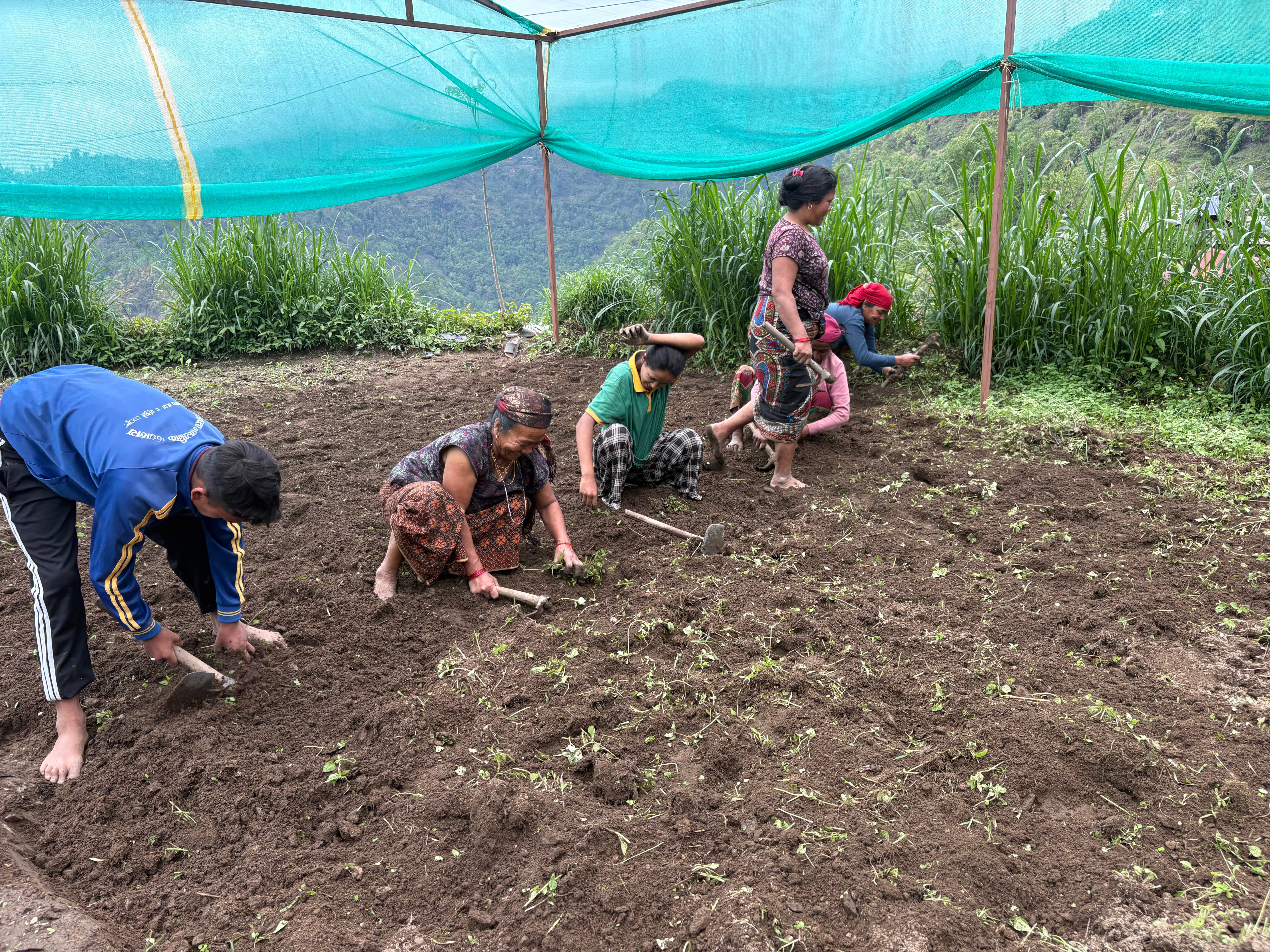
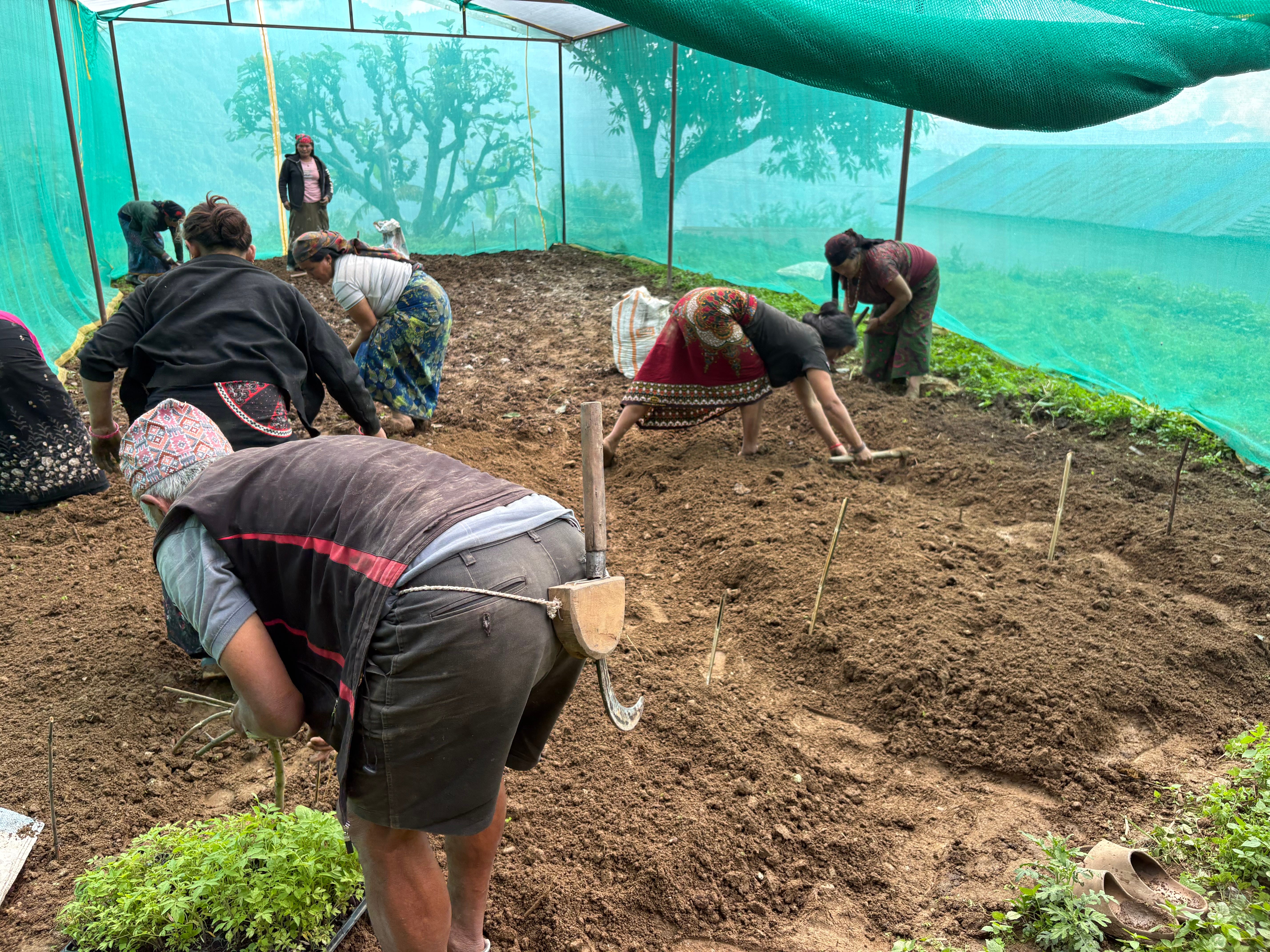
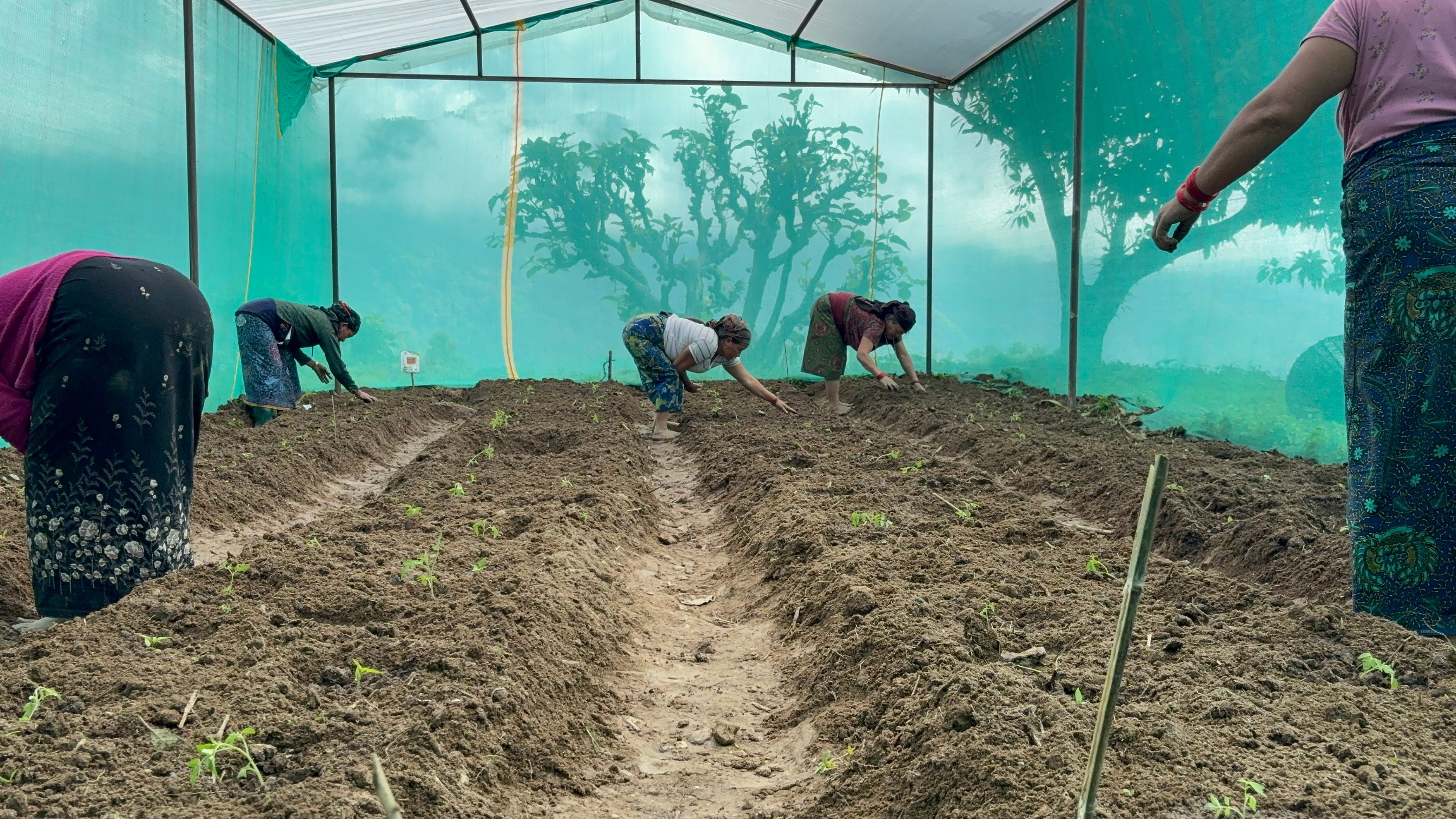
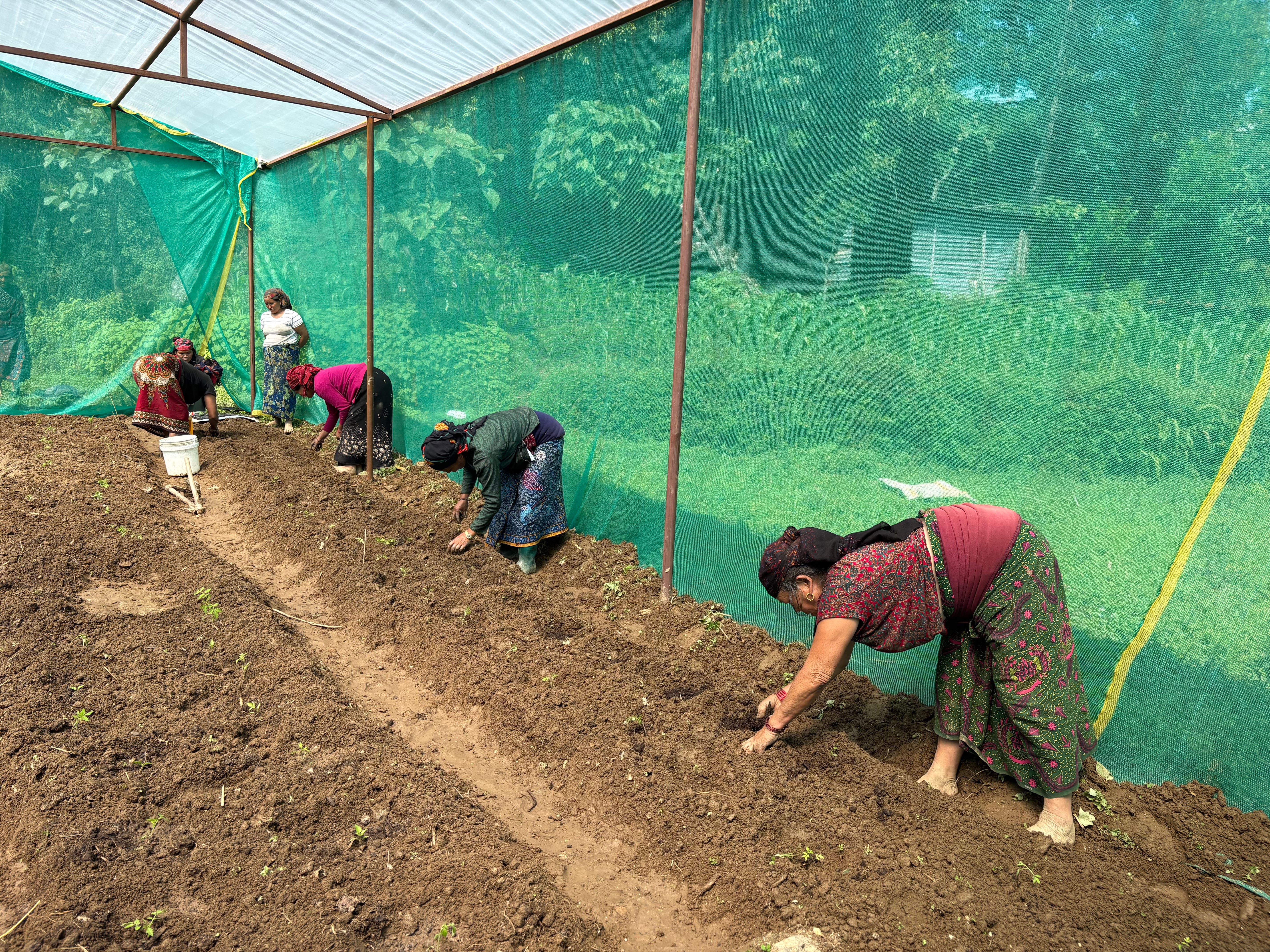
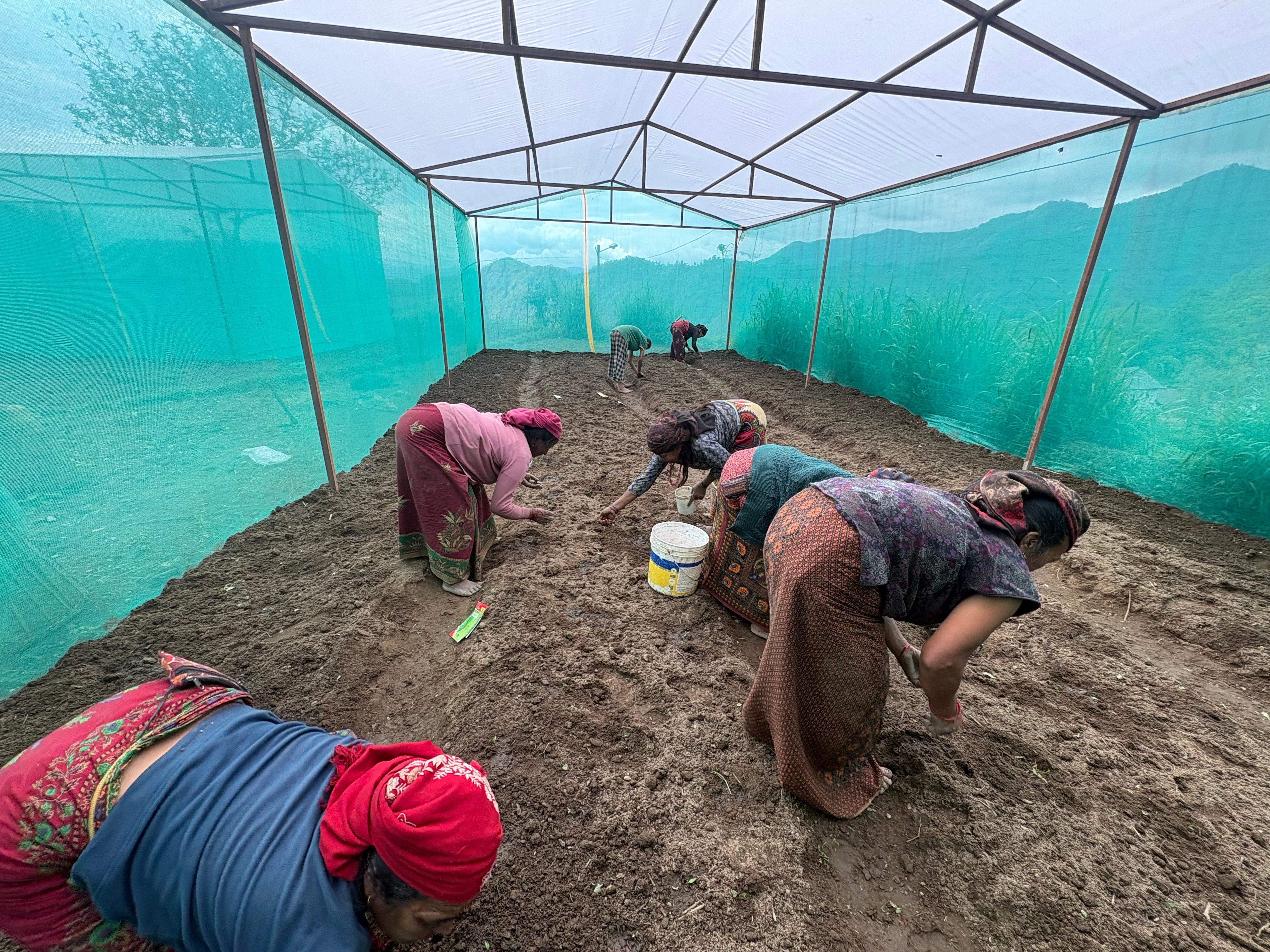
This past week, a cat peed in my bed and in my clothes hamper (fortunately on all of the clothes I had just washed—including all, I mean all, of my underwear), I was accidentally punched in the face by a woman I call grandmother (and my contact fell out on impact, leaving me to spend the day with only half of my vision), and I have powered through another bimonthly cold (which meant going to bed at 5:30pm one night and scaring my aama half to death). But thanks to the motivation of some eager farmers, this past week I also helped to successfully plant in three of the five greenhouses (the next two will be planted in the next week). The work within the greenhouses, as well as the vegetables produced within them have been allocated to to three different community-based farmer’s cooperatives (and to my host parents)— at least 55 farmers were involved in the planting and will benefit directly from the production of these vegetables (not to mention their families and neighbors as well!). These farmer groups incorporate young adults, men and women of all ages and castes and rely collectively on the leadership of female farmers.
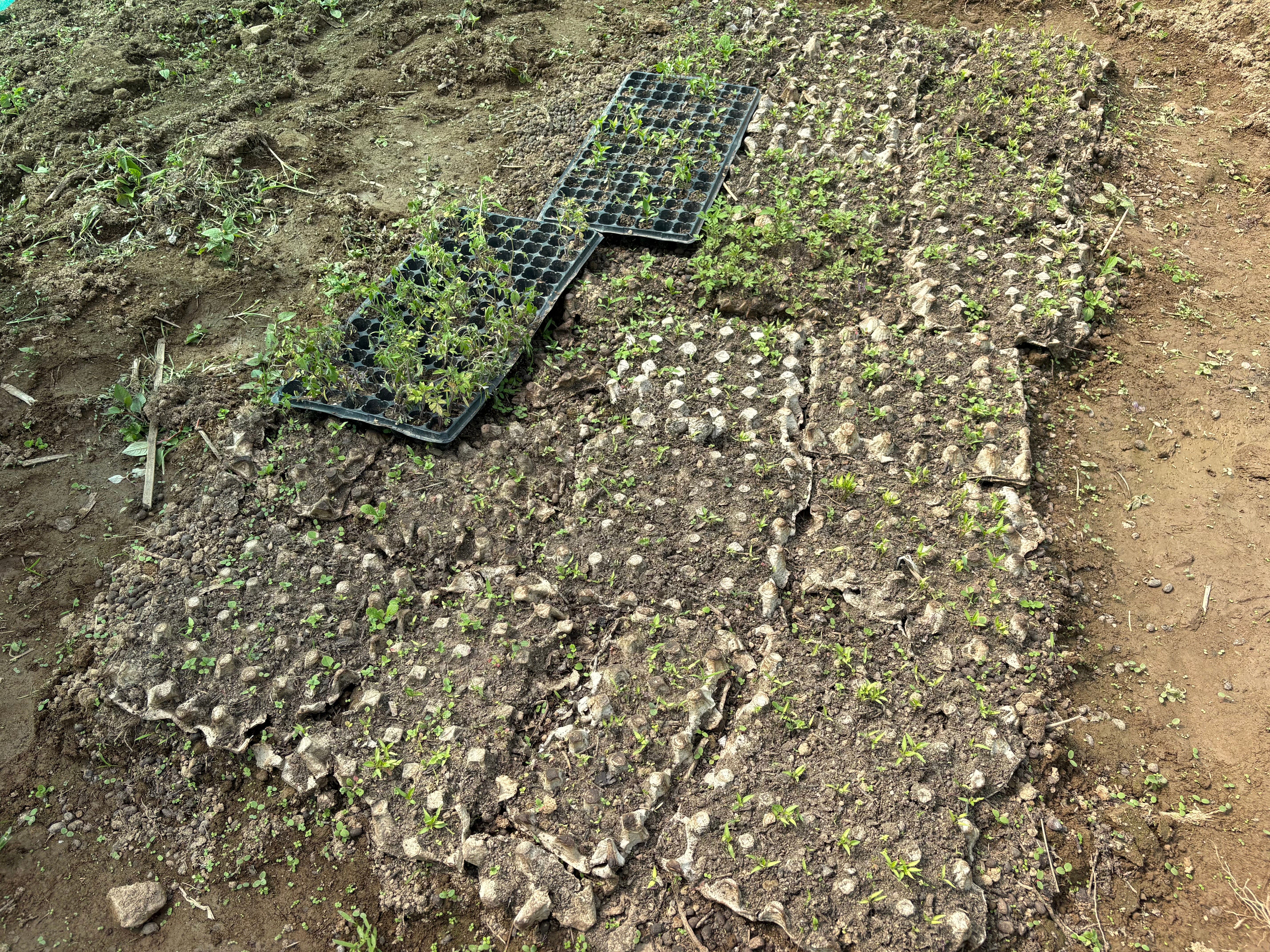
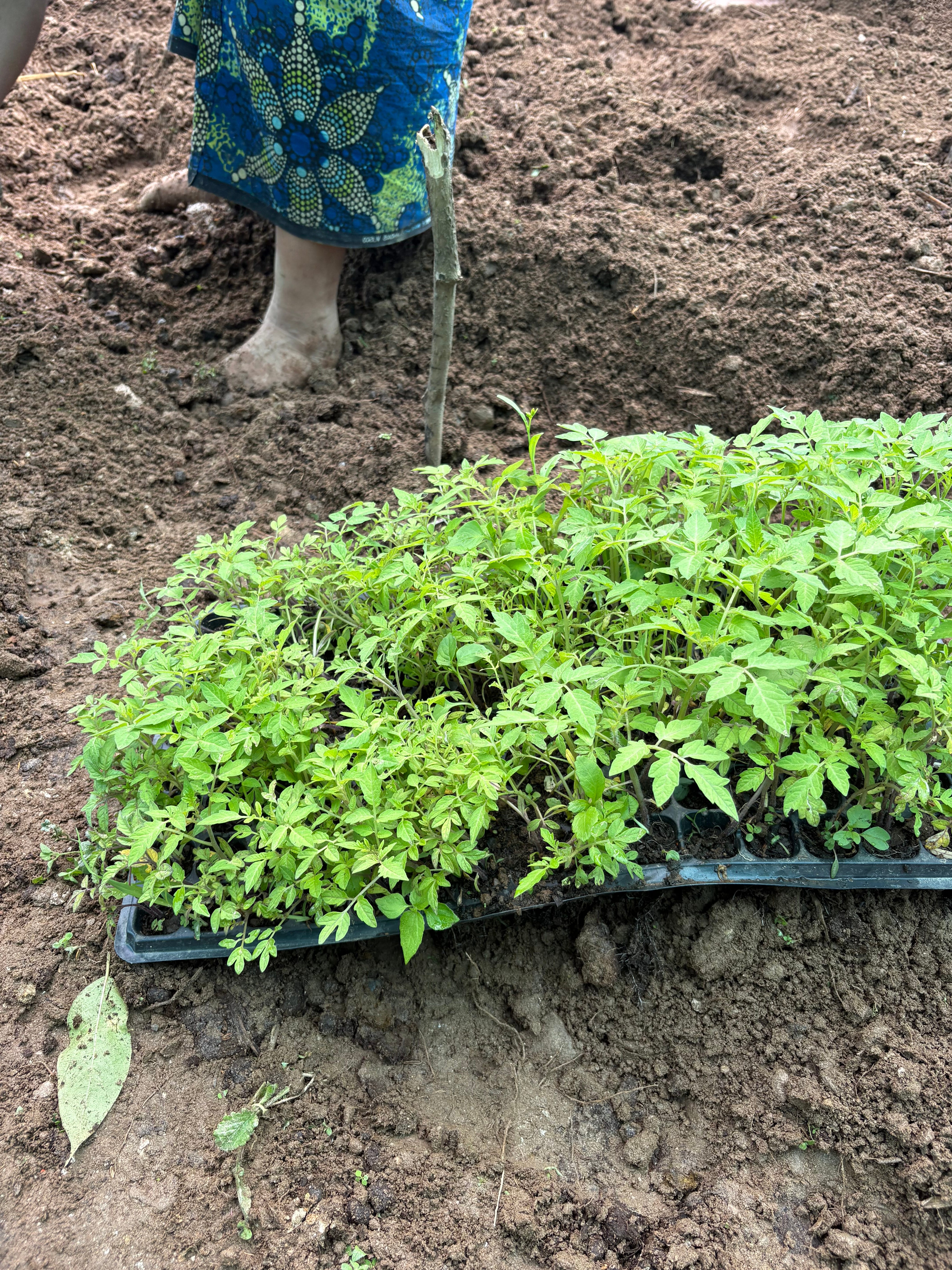
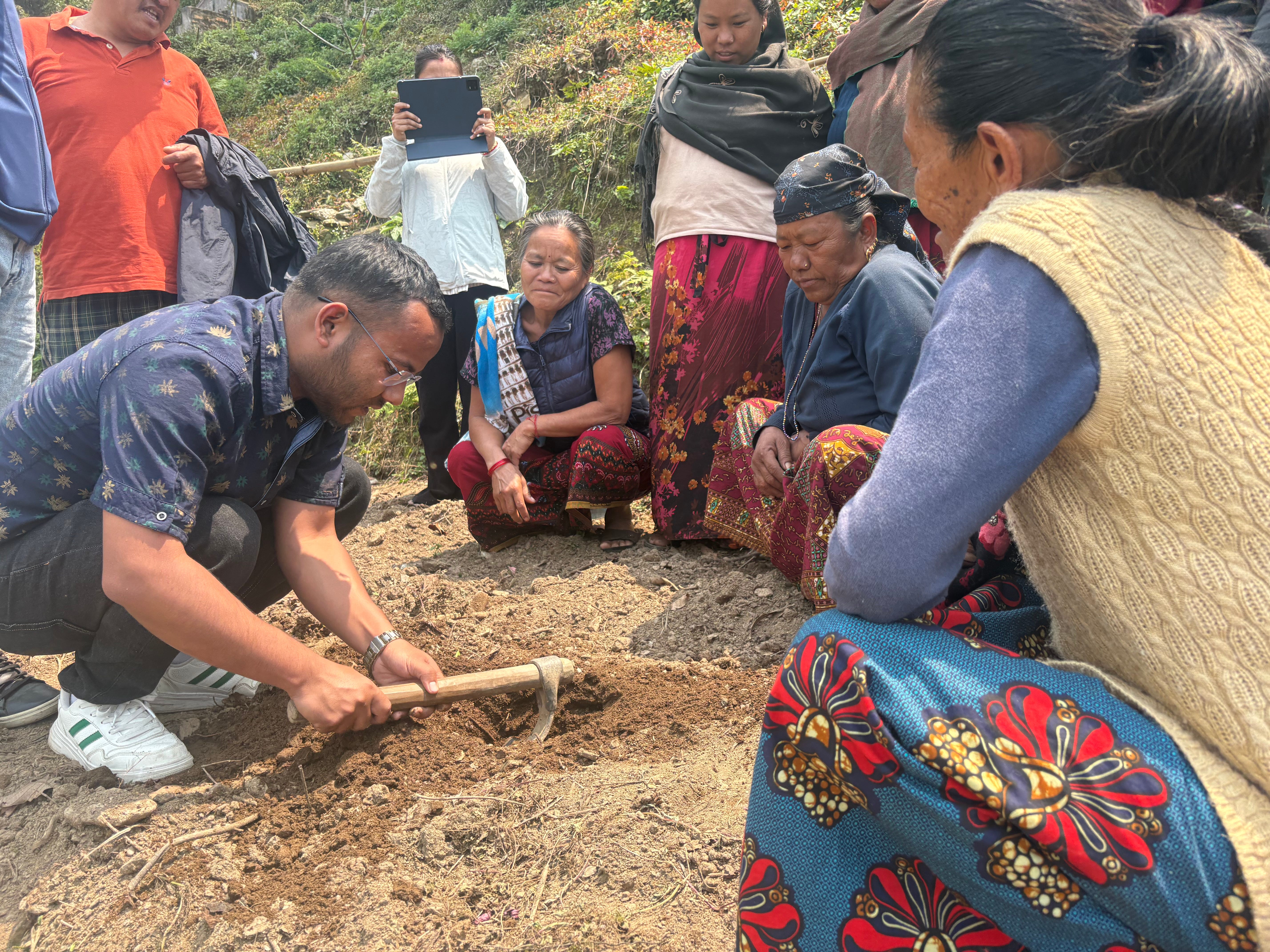
A few weeks ago, I worked with each of these groups to promote improved agricultural practices through the creation of nursery beds and improved compost (shoutout to Elle for most of the ideas and guidance <3). Last week, after the seedlings in the nursery trays reached an appropriate size, we had several planting days, in which we all worked together to dig raised beds for irrigation in the greenhouses and planted everything from tomatoes, to peppers, to flowers (to repel insects), to cilantro, to beans and cucumbers. We used only local seeds, which once harvested from plants, can be stored, saved, and planted again for years to come. Through a few trips to Kathmandu, I was also able to introduce some new seed varieties that are new to the village—beetroot, Swiss chard, capsicum, basil, zucchini, and chives.
Over the next few weeks, we will continue to do trainings and work days to focus on natural insect repellents, best irrigation practices, and most importantly—get to watch the fruits of our labor grow! The weather has been especially unpredictable this year in Nepal, and a lot of crops have died as a result of heavy winds and hail in the past two months—making this project particularly crucial for food security in these two villages. The greenhouses provide a stable temperature environment and protection from heavy rains and hail for crops. This week, I also am working with my baba to have water tanks delivered to provide easy irrigation to each of the greenhouses—the last hoorah of the project. But for now, here’s some photos of some bada** farmers.
Thanks to all for following along, stay tuned for more updates!
XOXO,
Townsend
Bonus episode:
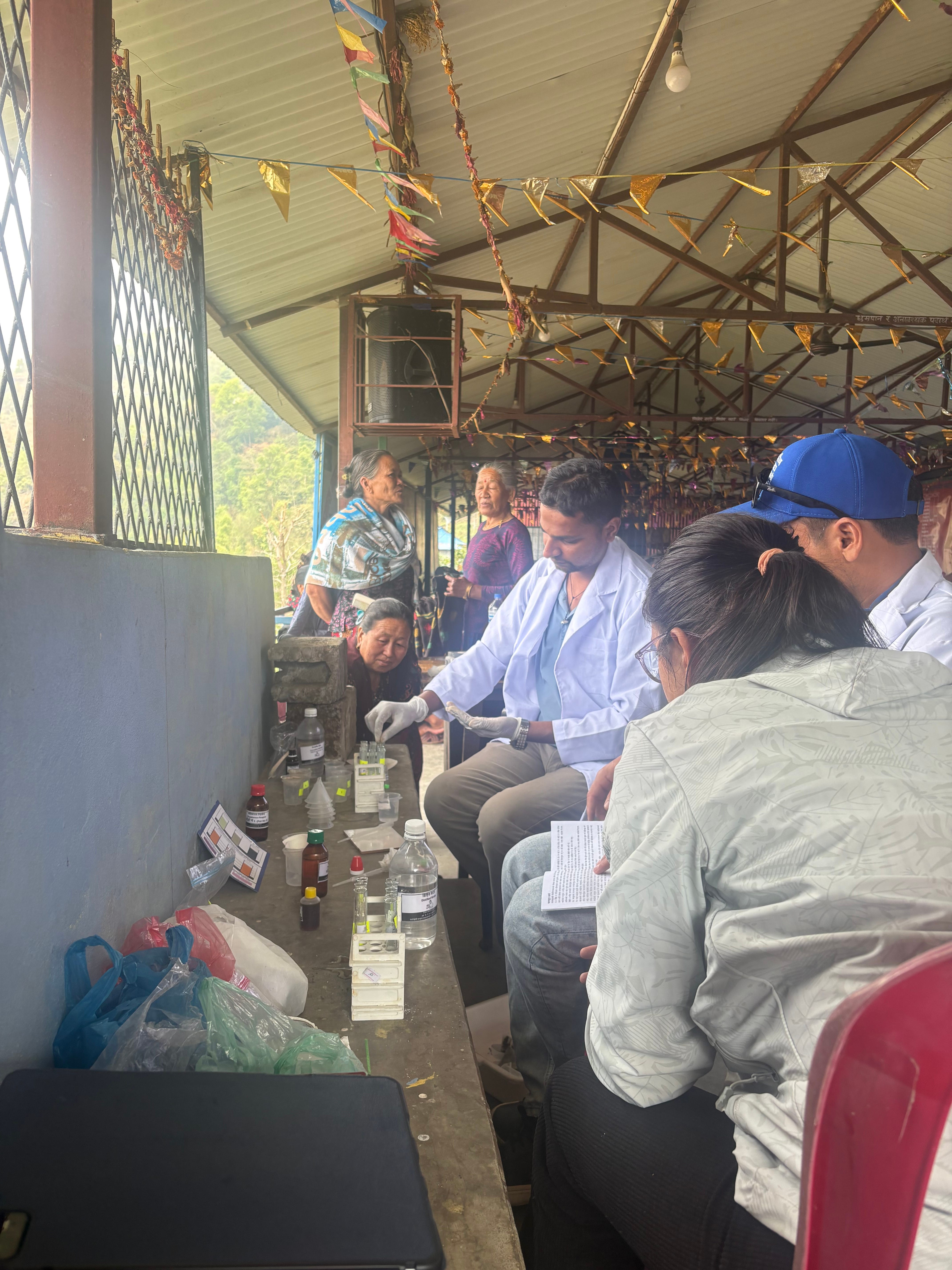
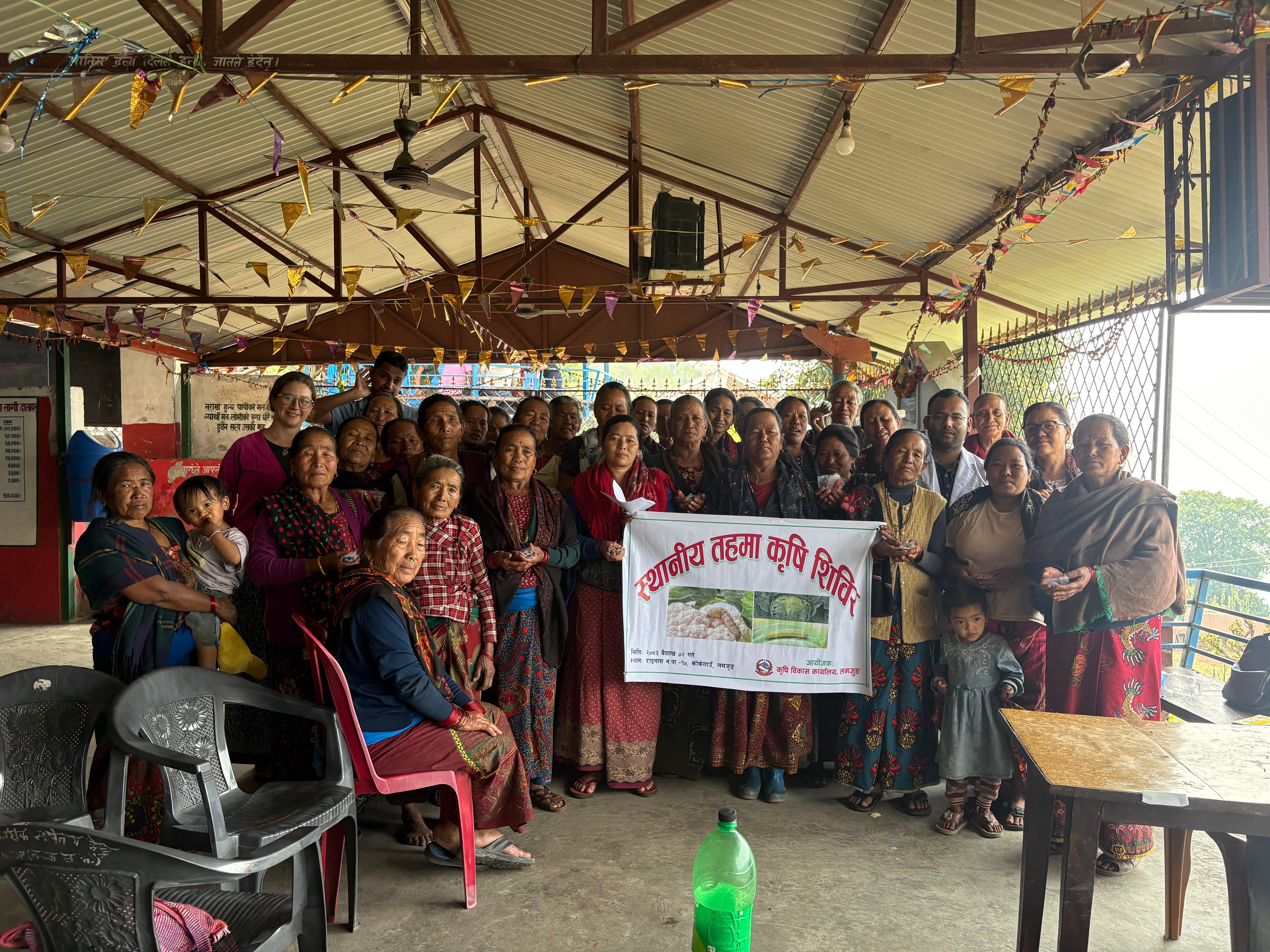
A few weeks ago, on a serendipitous trip to the district center, while meeting with some government officials, I managed to arrange a soil-testing and seed-distribution training. They taught on soil testing practices, did soil tests for a few interested farmers (to test for nitrogen, phosphorus, potassium and pH), and provided a variety of seeds to everyone that attended.
Tee teed, not peed! You and Sara are my greatest inspiration!❤️❤️
Just so neat! Little house on the prairie?